What Is Branding Small Business for Dummies? (The Simple Answer)
Branding small business for dummies is exactly what it sounds like — a no-jargon, beginner-friendly approach to building a recognizable identity for your business, even if you have zero design or marketing experience.
Here is the short version of what small business branding involves:
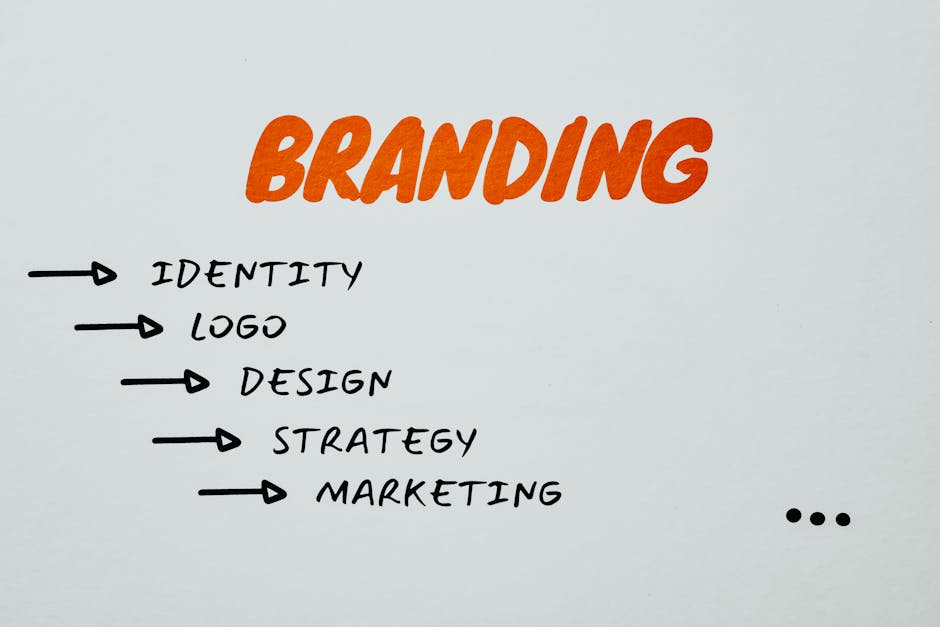
- Define your mission, values, and what makes you different
- Know your target audience — who you serve and what they need
- Create a visual identity — logo, colors, and fonts that feel consistent
- Tell your brand story — why you started and what problem you solve
- Stay consistent across your website, social media, and every customer interaction
- Measure and adjust over time based on feedback and results
That is the foundation. Everything else builds on top of these steps.
Most small business owners think branding is something only big companies like Nike or Apple need to worry about. It is not. If you do not build your brand on purpose, it gets built for you — and that is not always a good thing. Your reputation, your online presence, your customer reviews — they are all shaping your brand right now, whether you are paying attention or not.
The good news? You do not need a big budget or a design agency to get started. You just need a clear plan and the willingness to follow through consistently.
Research shows that consistent branding can increase revenue by up to 20% — and yet many small business owners skip it entirely because it feels overwhelming or abstract. This guide breaks it down into simple, actionable steps anyone can follow.
I’m Cristian Droescher, founder of Clear Brands, and I’ve spent years helping local service businesses and national brands build clear, consistent identities that actually drive growth — making branding small business for dummies one of my core areas of focus. Let’s walk through everything you need to know to build a brand that works for your business.

Why Branding Is Essential for Small Business Growth
In the busy markets of Tampa, FL, and the surrounding Clearwater area, standing out isn’t just a “nice to have”—it is a survival requirement. Whether you are running a boutique coffee shop in South Tampa or a specialized consulting firm in downtown Clearwater, your brand is the bridge between a stranger and a loyal customer.
Branding is the process of establishing something as distinctive in the minds of consumers. It is about creating an identity that influences how people perceive your business. When you do this correctly, you build brand equity, which is the added value your branding provides over a generic, unbranded version of the same service.
The numbers back this up. Increased revenue by up to 20% has been seen by small businesses that maintain a consistent brand identity. Why? Because consistency breeds trust. When a customer sees the same professional look on your website, your social media, and your physical storefront, they feel more confident in your ability to deliver.
Another study on referrals and word-of-mouth found that small businesses with consistent branding are significantly more likely to receive referrals. People find it much easier to recommend a business with a clear identity (“Go to that eco-friendly cleaning service with the green van”) than a generic one (“Go to that guy who cleans houses”).

Common Misconceptions About Branding
Before we dive into the “how-to,” let’s clear the air. Many entrepreneurs in the Tampa Bay area get stuck because they believe myths that keep them from starting.
- “Branding is only for big corporations”: This is perhaps the biggest hurdle. While global giants spend millions on branding, small businesses actually have a secret weapon: the ability to create personal, emotional connections that a massive corporation cannot replicate.
- “It’s just a logo”: A logo is a vital part of your brand, but it isn’t the whole brand. Your brand includes your mission, your customer service style, your website’s “vibe,” and even the way you answer the phone.
- “I need an expensive agency”: While professional help is great as you scale, you can build a rock-solid foundation yourself using the right tools and a little bit of time.
- “It happens naturally”: If you don’t build your brand intentionally, the market will decide what your brand is for you. Usually, that leads to a confused reputation or being seen as “the cheap option” because you haven’t defined your value.
The Step-by-Step Guide to Branding Small Business for Dummies
Building a brand is like building a house in Florida—you need a solid foundation before you start picking out the paint colors. Here is how we recommend starting.
Step 1: Market Research
You cannot brand yourself in a vacuum. You need to understand the landscape. Who else in Clearwater or Tampa is doing what you do? What are they doing well, and where are they dropping the ball? Look at their reviews. If customers are complaining that a competitor is “too corporate and cold,” your brand could focus on being “warm and neighborly.”
Step 2: Know Your Target Audience
Generic marketing reaches no one. We like to create a customer avatar—a fictional representation of your ideal client. If you run a landscaping business, your avatar might be “Sarah,” a 45-year-old homeowner in Westchase who values her weekend time and wants a reliable, eco-conscious crew so she doesn’t have to worry about chemicals around her pets.
Step 3: Competitor Analysis
Audit your competitors’ visual styles and messaging. Are they all using blue and grey? Maybe your brand uses orange and teal to pop. Are they all using formal language? Maybe you use a casual, conversational tone.
Step 4: Personal vs. Business Branding
For freelancers and solopreneurs, there is often a debate: should I brand myself or a company name? How to Brand Your Freelance or Consulting Services suggests that while personal branding is essential, building a business brand allows for better scalability and a higher perceived value.
| Feature | Personal Branding | Business Branding |
|---|---|---|
| Focus | Your name, face, and expertise | Company mission and collective team |
| Scalability | Harder to sell or step away from | Easier to hire for and eventually sell |
| Trust Factor | Built on personal relationships | Built on professional reputation and systems |
| Flexibility | Great for speakers, authors, coaches | Great for agencies, retail, and local services |
Defining Your Brand Mission and Positioning for Dummies
Your mission statement is your “Why.” It’s a simple sentence that explains why your business exists beyond making a profit. For example: “We exist to provide stress-free, high-quality home maintenance for busy families in Tampa Bay.”
Brand Vision is where you want to go. Core Values are the principles that guide your decisions (e.g., “Transparency,” “Punctuality,” “Sustainability”).
Finally, your Unique Value Proposition (UVP) is the specific benefit that makes you the only logical choice. A great formula for this is: “We are the [Business Type] for [Audience] who want [Benefit] without [Pain Point].” Example: “We are the IT firm for small Tampa law offices who want 24/7 security without the cost of a full-time employee.”
Crafting a Compelling Brand Story for Dummies
People don’t buy products; they buy stories. A brand story isn’t just a history of your company; it’s a narrative that connects your motivation to your customer’s needs.
To craft yours, answer these four questions:
- What problem did you see in the world (or in Tampa)?
- Why did you feel personally motivated to solve it?
- How are you solving it right now?
- What does the future look like for your customers once the problem is solved?
Your brand’s tone of voice is the “personality” of your story. Are you the wise mentor, the funny best friend, or the high-performance coach? This voice should be consistent whether you’re writing a blog post or a caption on Instagram. Emotional attachment is what turns a one-time buyer into a brand advocate.
Building a Visual Identity and Brand Style Guide
Now we get to the “fun” part—the visuals. This is where your brand becomes tangible.
Logo Design
Your logo is the face of your business. It should be simple, memorable, and work well both on a tiny business card and a large billboard on I-275. If you aren’t a designer, don’t worry. Professional Logo Design services can help, or you can start with DIY tools like Canva or Adobe Express.
Graphic Design and Color Psychology
Colors evoke emotions. Blue often signals trust and professionalism, while green suggests health and growth. Red can trigger excitement or urgency. When picking colors, find their HEX code (a six-digit code like #003366) so you can use the exact same shade every time. Consistency is key!
Typography
Fonts have personalities too. Serif fonts (the ones with little “feet” like Times New Roman) feel traditional and reliable. Sans-serif fonts (like Arial) feel modern and clean. You can find thousands of free options on dafont.com. Choose one primary font for headings and one secondary font for body text.
Essential Elements of a Brand Style Guide
A brand style guide is your business’s “rulebook.” It ensures that anyone who creates content for you—whether it’s an employee or a freelancer—stays on brand. It should include:
- Logo Usage: Where the logo goes, and more importantly, what not to do with it (no stretching or weird colors!).
- Color Palette: Your primary and secondary colors with HEX, RGB, and CMYK codes.
- Font Hierarchy: Which fonts to use for H1, H2, and body text.
- Imagery Style: Should your photos be bright and airy, or dark and moody? Should they feature real people or illustrations?
- Voice Guidelines: Examples of how the brand sounds (and how it doesn’t).
Practical Strategies for Branding on a Limited Budget
You don’t need a million-dollar budget to look like a million dollars. Here is how we recommend small businesses in Florida approach branding without breaking the bank.
- Use DIY Tools: Canva, VistaCreate, and Adobe Express offer templates that make professional design accessible to everyone.
- Leverage AI: Tools can now help you generate color palettes, suggest brand names, or even draft initial mission statements.
- Focus on Your Website: In 2026, your website is your digital storefront. Professional Web Design is an investment that pays for itself by converting visitors into leads.
- Social Media Consistency: You don’t need to be on every platform. Pick the one where your Tampa audience hangs out (maybe LinkedIn for B2B or Instagram for retail) and post consistently using your brand colors and voice.
- Local Partnerships: Partner with complementary businesses in Clearwater or Tampa. A local gym and a healthy meal-prep service can co-brand an event, sharing the costs and the audience.
- Content Marketing: Become the “go-to” expert in your niche by sharing helpful tips. If you’re a plumber, a video on “How to prepare your pipes for a Florida hurricane” builds massive brand trust.
Ensuring Consistency Across All Touchpoints
A “touchpoint” is any time a customer interacts with your business. To build that 20% revenue boost, your brand must feel the same at every single one:
- Website Identity: Does the logo and color scheme match your social media?
- Social Media Profiles: Are your bios consistent?
- Customer Interactions: Do you use the same greeting?
- Email Signatures: Is everyone on your team using a standardized, branded signature?
- Physical Packaging: Even a simple branded sticker on a plain box can elevate the “unboxing” experience.
Measuring Success and Avoiding Common Branding Pitfalls
How do you know if your “branding small business for dummies” approach is actually working? You have to track the right metrics.
- Brand Awareness: Are more people visiting your site from “Direct” or “Branded Search” (searching for your name specifically)?
- Repeat Customers: A strong brand creates loyalty. If your “returning customer rate” is growing, your brand is resonating.
- Referrals: Are new clients saying, “I’ve heard great things about you”?
- Engagement: Are people commenting and sharing your content?
Common Pitfalls to Avoid:
- Inconsistency: Changing your logo every six months confuses people. Customers typically need 5–7 impressions before they even recognize your brand.
- Ignoring Feedback: If customers say your brand feels “unapproachable,” listen to them.
- Lack of Purpose: 35% of brands fail because they lack a clear purpose. Don’t just sell a product; solve a problem.
- Being a “Me Too” Brand: Don’t just copy the biggest competitor in Tampa. Find your own “Unique Value Proposition.”
When to Review and Refresh Your Brand
Branding isn’t a “set it and forget it” task. You should audit your brand annually. Consider a refresh if:
- Market Shifts: A new competitor enters the Clearwater area with a much more modern look.
- Business Expansion: You started as a dog walker but now offer full-scale pet boarding and grooming.
- Dated Visuals: Your website looks like it belongs in 2010.
- Declining Engagement: Your old messaging just isn’t “clicking” with your audience anymore.
Frequently Asked Questions about Small Business Branding
How often should a small business rebrand?
A full rebrand is a major undertaking and shouldn’t be done often—typically every 5 to 10 years. However, “brand refreshes” (minor updates to fonts or colors) can happen every few years to keep things looking modern.
Can a one-person business have a professional brand?
Absolutely. In fact, it is more important for solopreneurs. A professional brand makes you look like a structured, reliable business rather than just someone with a hobby. It allows you to command higher prices and builds immediate trust.
What is the difference between branding and marketing?
Think of it this way: Branding is who you are, and marketing is how you tell people about it. Branding is the foundation (your values, look, and voice); marketing is the tactics (ads, SEO, social media posts) used to deliver that brand to the world.
Conclusion
Building a brand might feel like a daunting task, but by following this branding small business for dummies approach, you can take control of your reputation and drive real growth. Branding is about more than just a pretty logo—it’s about the emotional connection you build with your customers in the Tampa Bay area.
At Clear Brands, we specialize in helping small businesses navigate this journey. From creating a cohesive visual identity to managing your SEO and payment processing, we provide integrated solutions designed to help you scale. Whether you’re in Tampa, Clearwater, or anywhere in Florida, we’re here to help you turn your business into a brand.
Ready to take the next step? More info about branding services is just a click away. Let’s build something great together.